Is that a bunny over there?

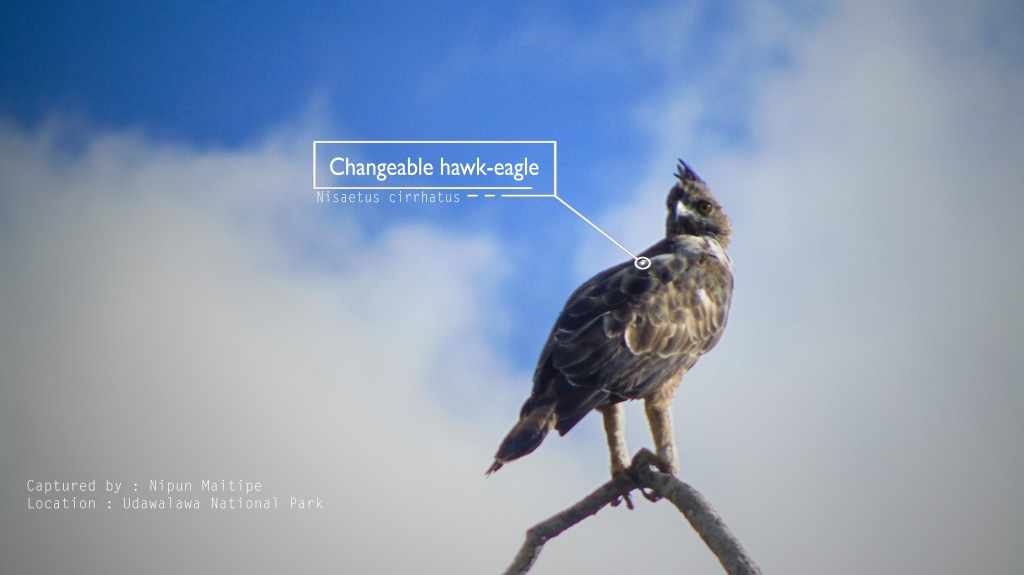
Image of a Changeable Hawk-eagle

Last time when i visited Udawalawa National Park(https://en.wikipedia.org/wiki/Udawalawe_National_Park) i saw this eagle looking curiously at something and then i managed to get the shot on my camera. This eagle is named as “Changeable Hawk-eagle”. The extensive range of the changeable hawk-eagle includes much of the Indian subcontinent and southeast Asia. Their distribution includes nations and areas such as Sri Lanka, Himalayan foothills (Garhwal to Assam), southern Nepal and Bhutan east through Myanmar, Burma, western Laos, southern Vietnam, Cambodia, Thailand and peninsular Malaysia.  This eagle has a good sight so it can catch a prey in a long range even. Also the nails/paws are extremely strong which would help them to carry a calf even.

(References : https://en.wikipedia.org/wiki/Changeable_hawk-eagle)
I need worms…

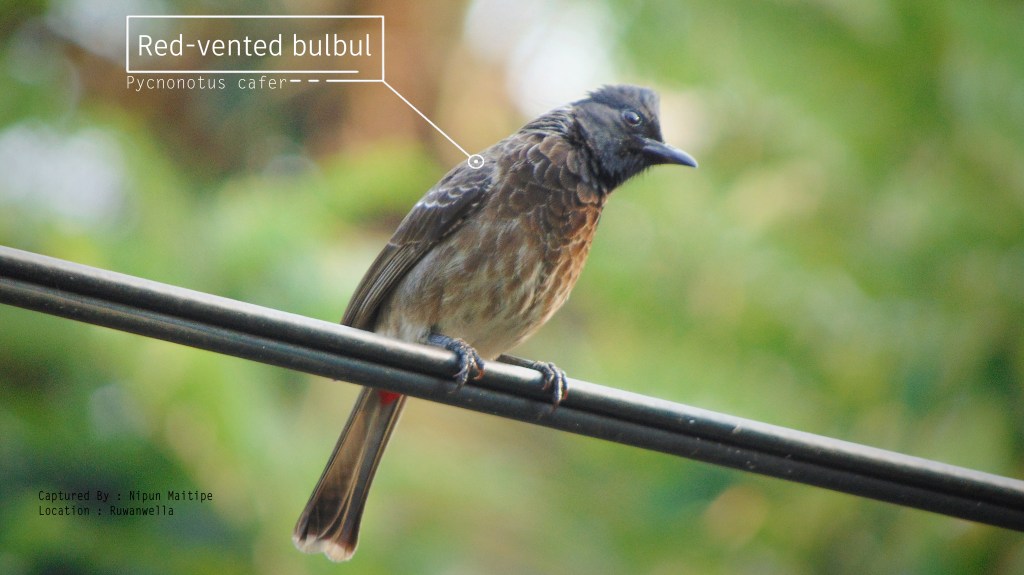
Image of the Red vented Bull-Bull

Did anyone notice that this bird has already tasted a well grown worm ? >_< I captured this Red vented Bul-bul just near my garden. I Observed it for a long time, also i noticed that he was not alone. The mate was also with it. The Red vented nul-buls residences are Indian subcontinent,Sri Lanka and some countries upto Burma and Tibet. There is a huge family of Bul-bul birds. The Red Vented Bul-bul prefers small insects and kind of fruits as his meal. Usually we can see them as a single bird or a small group of bul-bulls.

GO Green!!

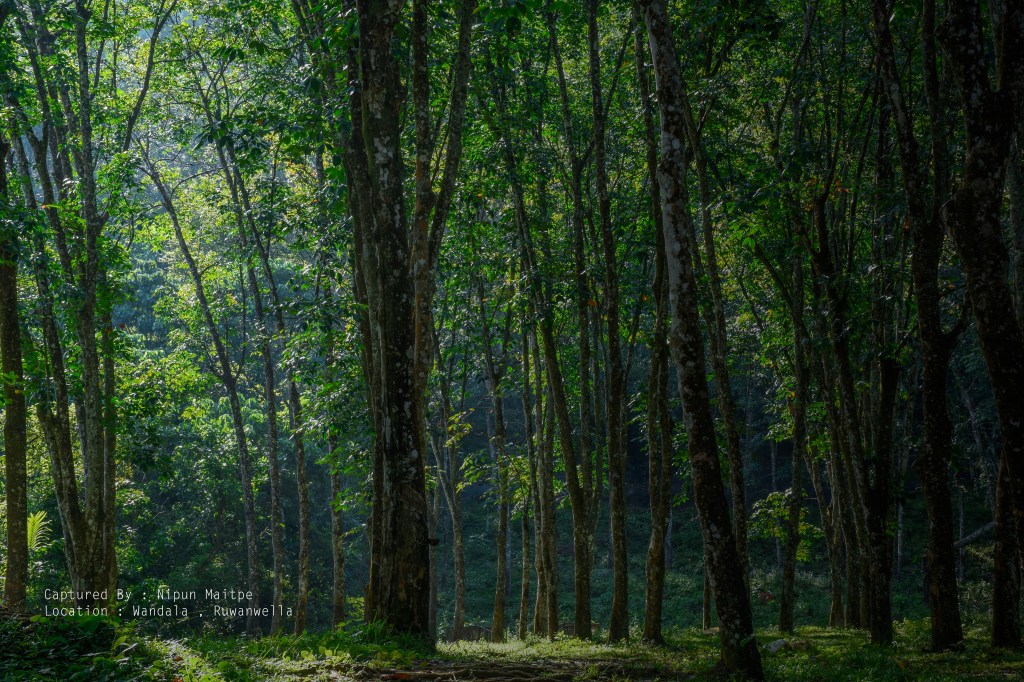
Image of a forest

The Sri Lanka lowland rain forests represents Sri Lanka‘s Tropical rainforests below 1,000 m (3,281 ft) in elevation in the southwestern part of the island. The year-around warm, wet climate together with thousands years of isolation from mainland India have resulted in the evolution of numerous plants and animal species that can only be found in rain forests in Sri Lanka.

[References : https://en.wikipedia.org/wiki/Sri_Lanka_lowland_rain_forests#:~:text=The%20lowland%20rain%20forests%20cover,(3%2C281%20ft)%20of%20altitude. ]

“Who’s looking at me?”

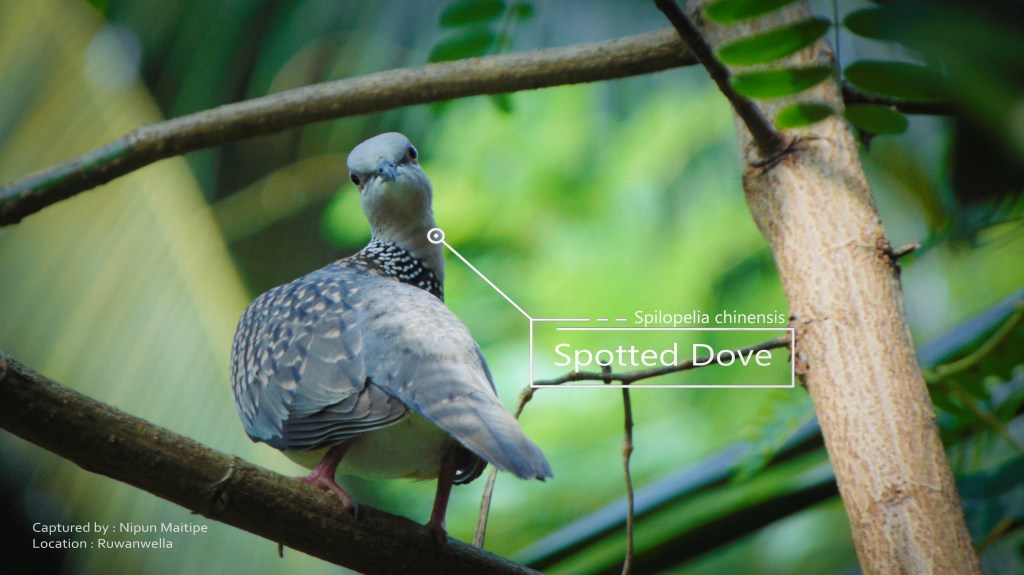
Image of Spotted Dove bird

I got this bird looking at my camera lenses on 2010 while i was cleaning my garden. usually in the morning a flock of these Spotted Doves come to my garden to taste some yummy fruits, leaves and some tiny worms. Actually these guys are very quick, they are very patient all time. They walk on the ground and trees in search of grains, fruits and food. If they feel any unusual thing going on they manage to get quick flight for a higher distance. They usually make a sound as “Krookruk-krukroo… kroo kroo kroo” with a deep voice. How ever these guys can be seen in Hawai, indonesia, taiwan,china,Sri Lanka etc.

For further reference : (https://en.wikipedia.org/wiki/Spotted_dove )

Amazing Reptile on your garden.

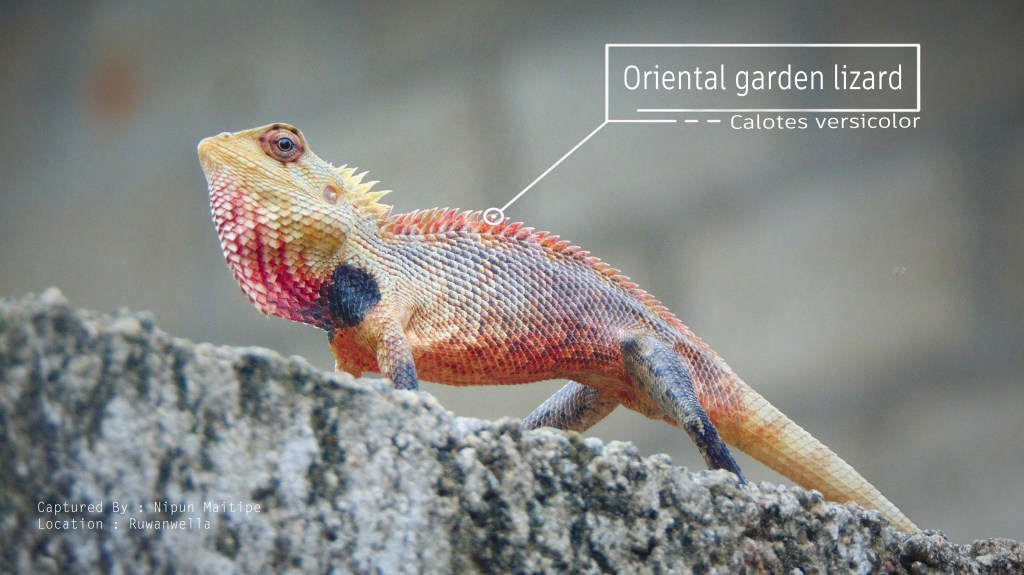
Image of a oriental garden lizard

The ground-colour is generally a light brownish olive, but the lizard can change it to bright red, to black, and to a mixture of both. This change is sometimes confined to the head, at other times diffused over the whole body and tail. A common state in which it may be seen (as stated by Mr. Jerdon) is, seated on a hedge or bush, with the tail and limbs black, head and neck yellow picked out with red, and the rest of the body red. Jerdon and Blyth agree that these bright, changeable colours are peculiar to the male during the breeding-season, which falls in the months of May and June.

(Reference : https://en.wikipedia.org/wiki/Oriental_garden_lizard)

Hanumas!

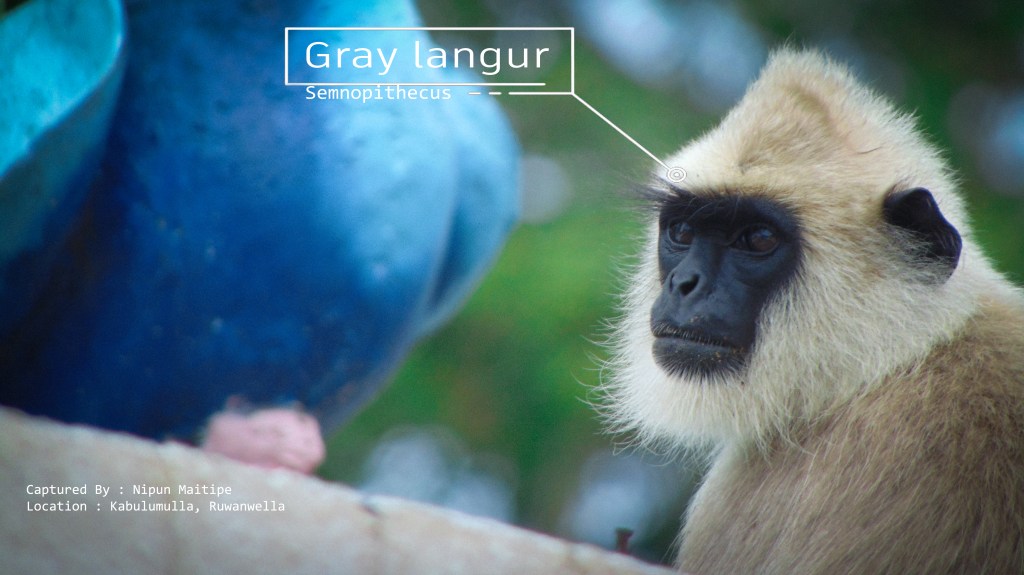
Image of a Gray Langur Monkey

The Gray Langur, a milky white monkey with a dark face. Very common in South Asian countries. Most probably except the Indians and Sri lankans this little guys are not so familiar with other countries. If you see well at the picture i have captured, we can see some particles arround this guys mouth. Yes, that is a stain of a mango fruit. These Gray Langur eat the tender leaves of some trees and fruits. When the time this picture was captured this monkey was tasting a yummy mango fruit with his team mates.

The amazing fact that monkeys are super jumpers are there fingers and the amazing wiggling long tail. These guys have an amazing skill of climbing, running, jumping from branches of trees. They are specialist of moving on trees. They can run over a electric wire even without any problem. They got that skill with their tail. The tail helps them to get the balance. We can see these monkeys as brood. Also some choose to be solo as the team is not matching for them.

Something about someone.

Image of Jewel Four-ring

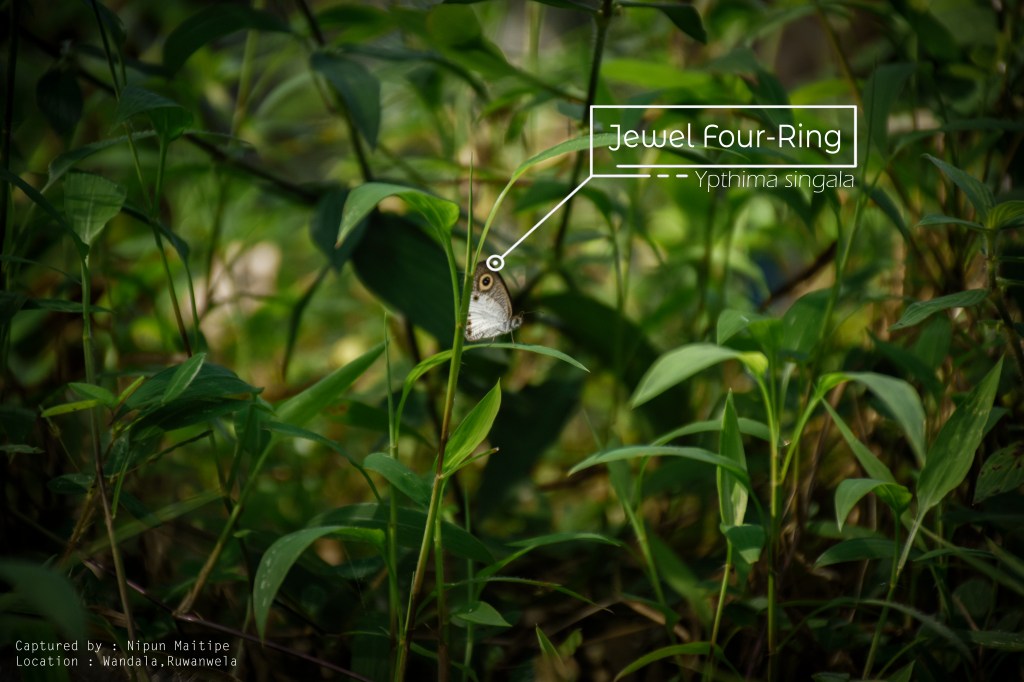
The Jewel Four-ring (Ypthima singala) , One of the most common Endemic species in Sri Lanka. The name “Jewel Four-Ring” came in to the point because of the 4 rings we can see in this butterflies wings. There are various types of this butterfly. We can see this tiny butterfly in the South states of India too. This Pic of captured by me(Nipun Maitipe; by D7200) in the village named Wandala(Reference video by me : https://www.youtube.com/watch?v=ZY168mzTqG8 ).
This little guy can be seen on grass and bushes in the forest areas. Most of the times they prefer to stay alone. But during some seasons these species fly in bunches to Adams Peak.

  1. Lakisha Beaudry's avatar

    Spot on with this write-up, I really think this website needs a great deal more attention. I’ll probably be returning…

  2. Twila Bobsin's avatar
  3. Julieta Nesser's avatar

    This blog was… how do you say it? Relevant!! Finally I have found something that helped me. Thank you!

  4. Kanaka Anjuna Liyanaarachchi's avatar
  5. Freddie Monot's avatar

    This site was… how do you say it? Relevant!! Finally I have found something which helped me. Kudos!

My YouTube Channel

This is my youtube channel and i have attached a link which illustrates a beautiful village situated in Sri Lanaka. This village is situated in Sabaragamuwa province, Kegalle District which is about 60km away from colombo city. The name of this village is “Wandala”. Watch the video and leave your idea in the comment section.
Thank you.

Discover These!

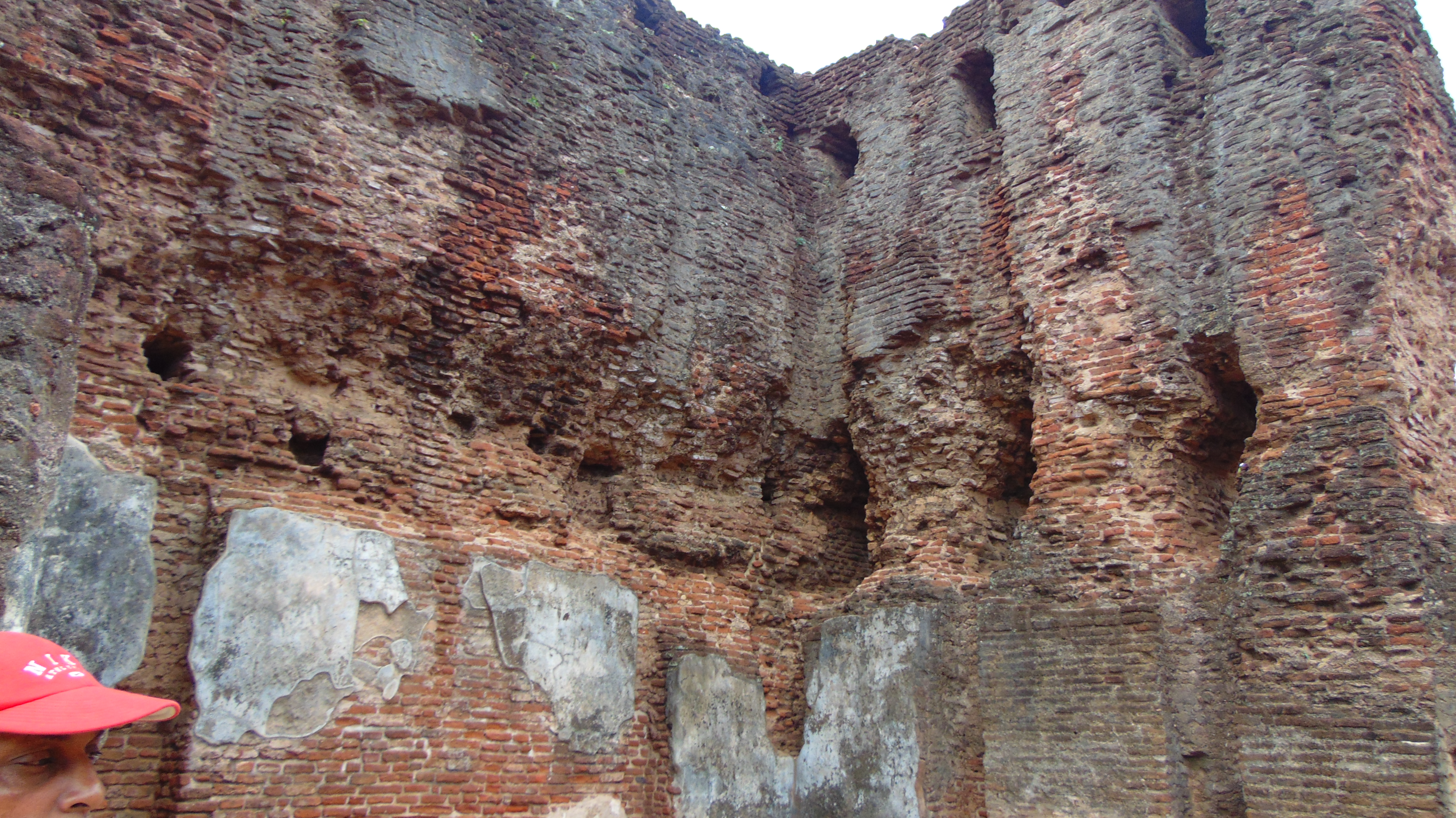
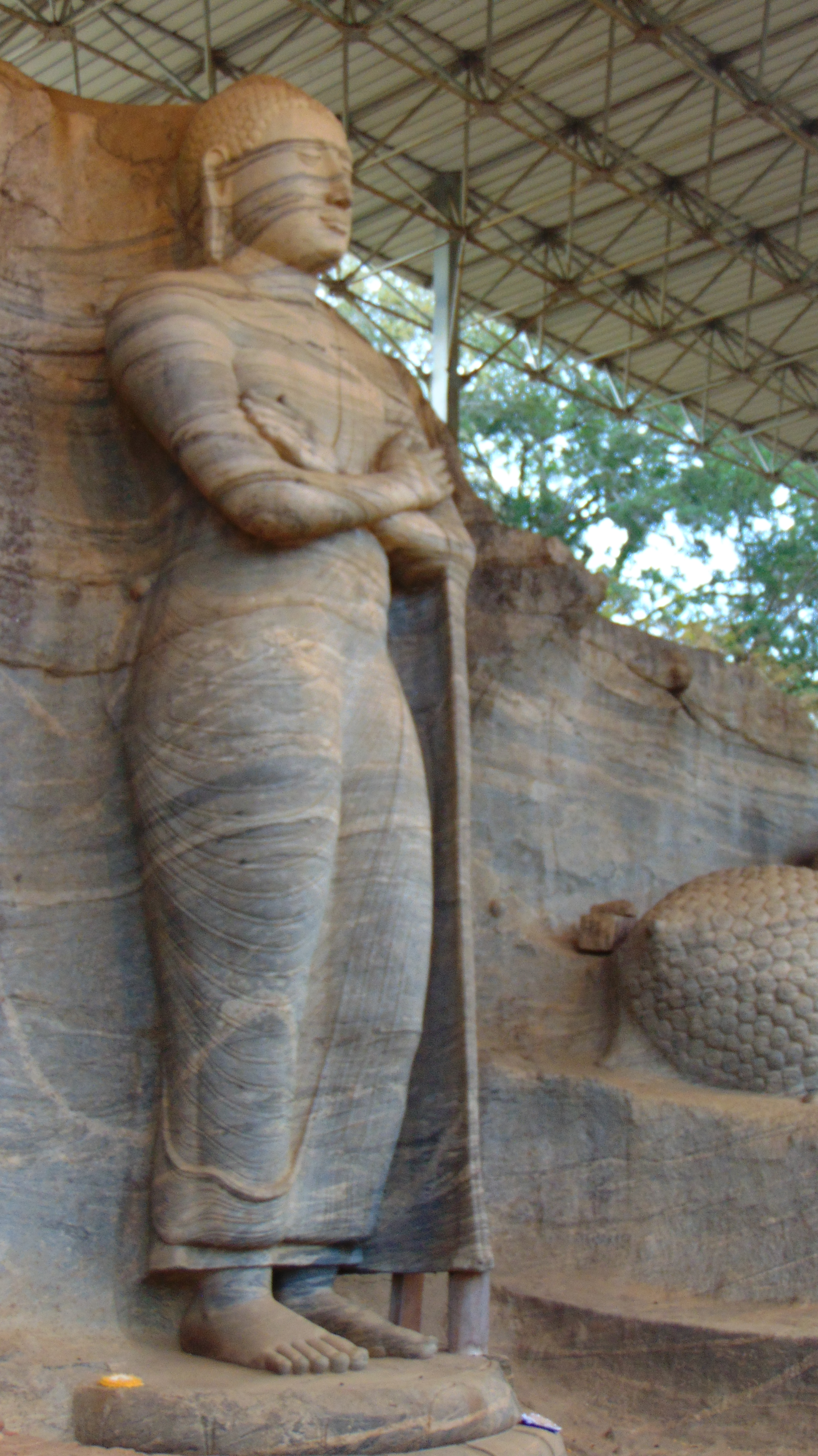
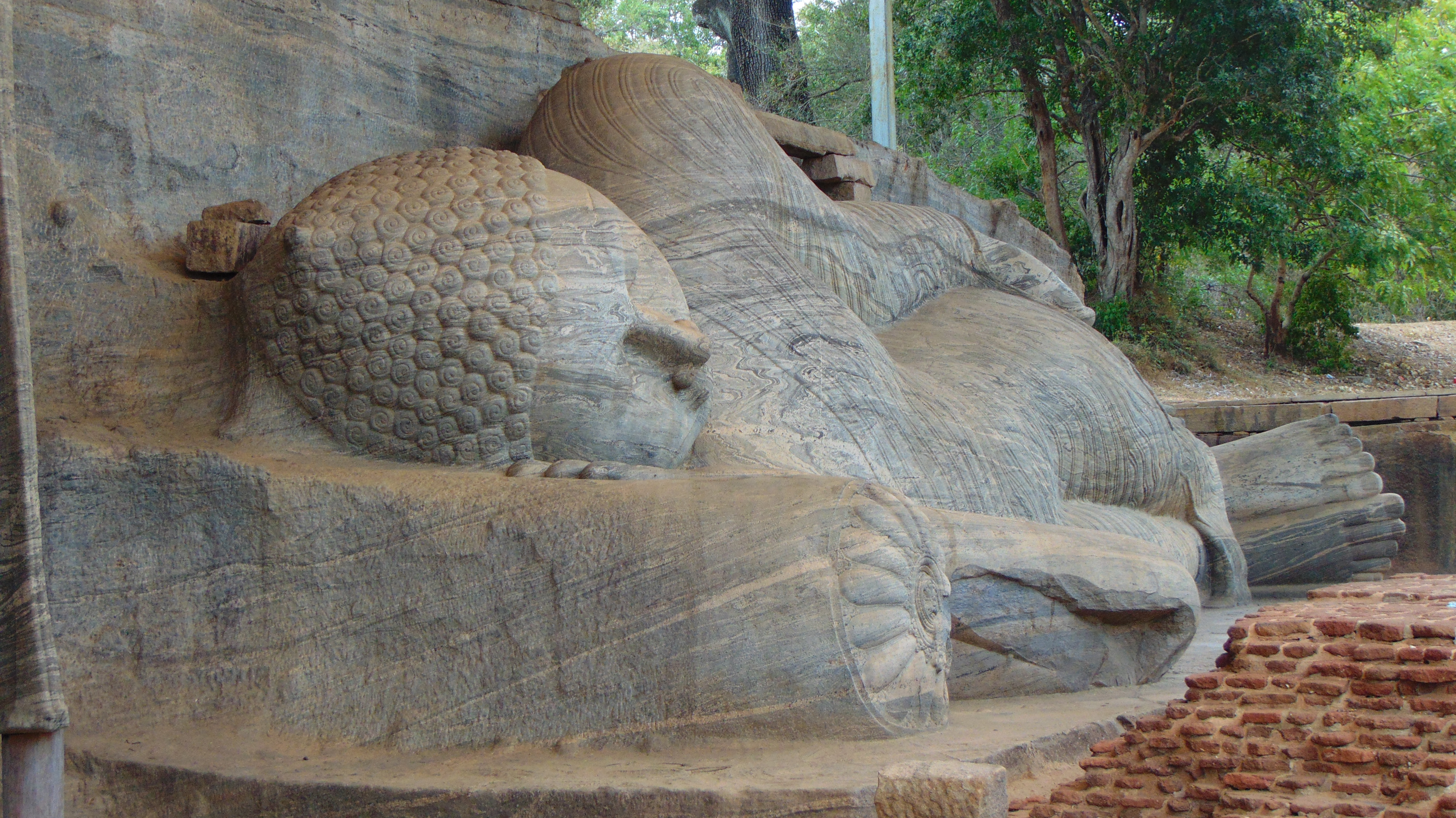
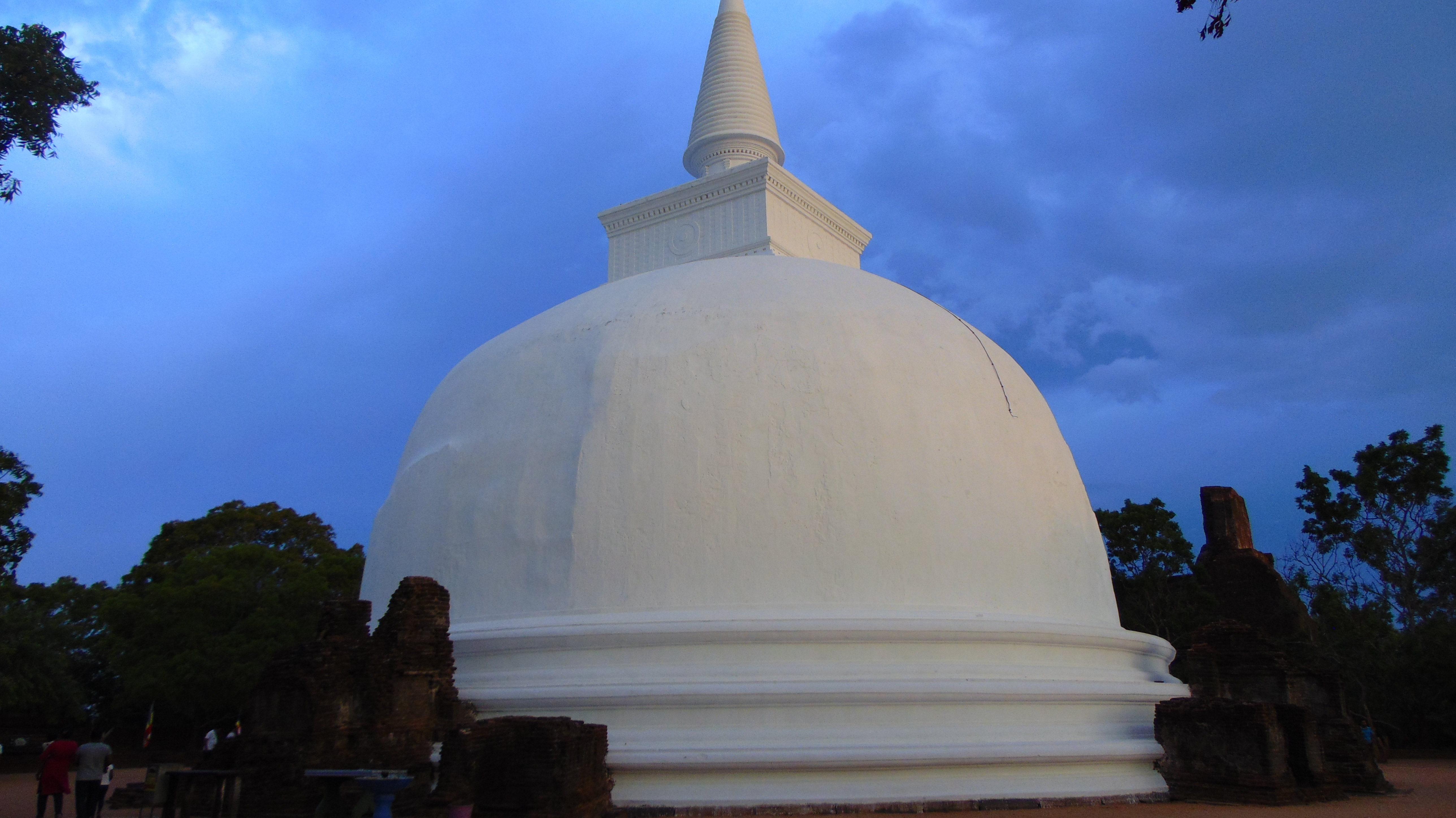
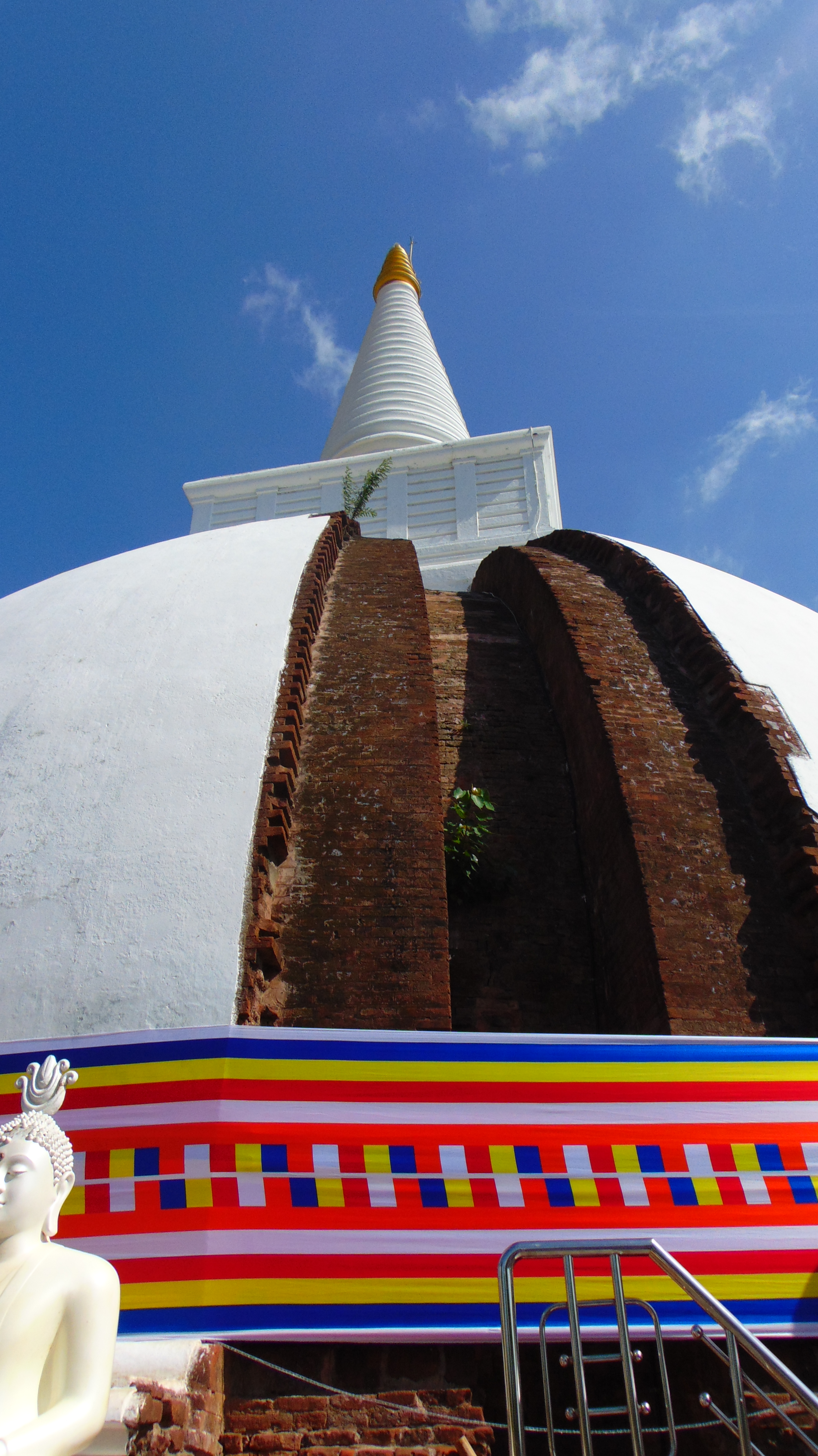
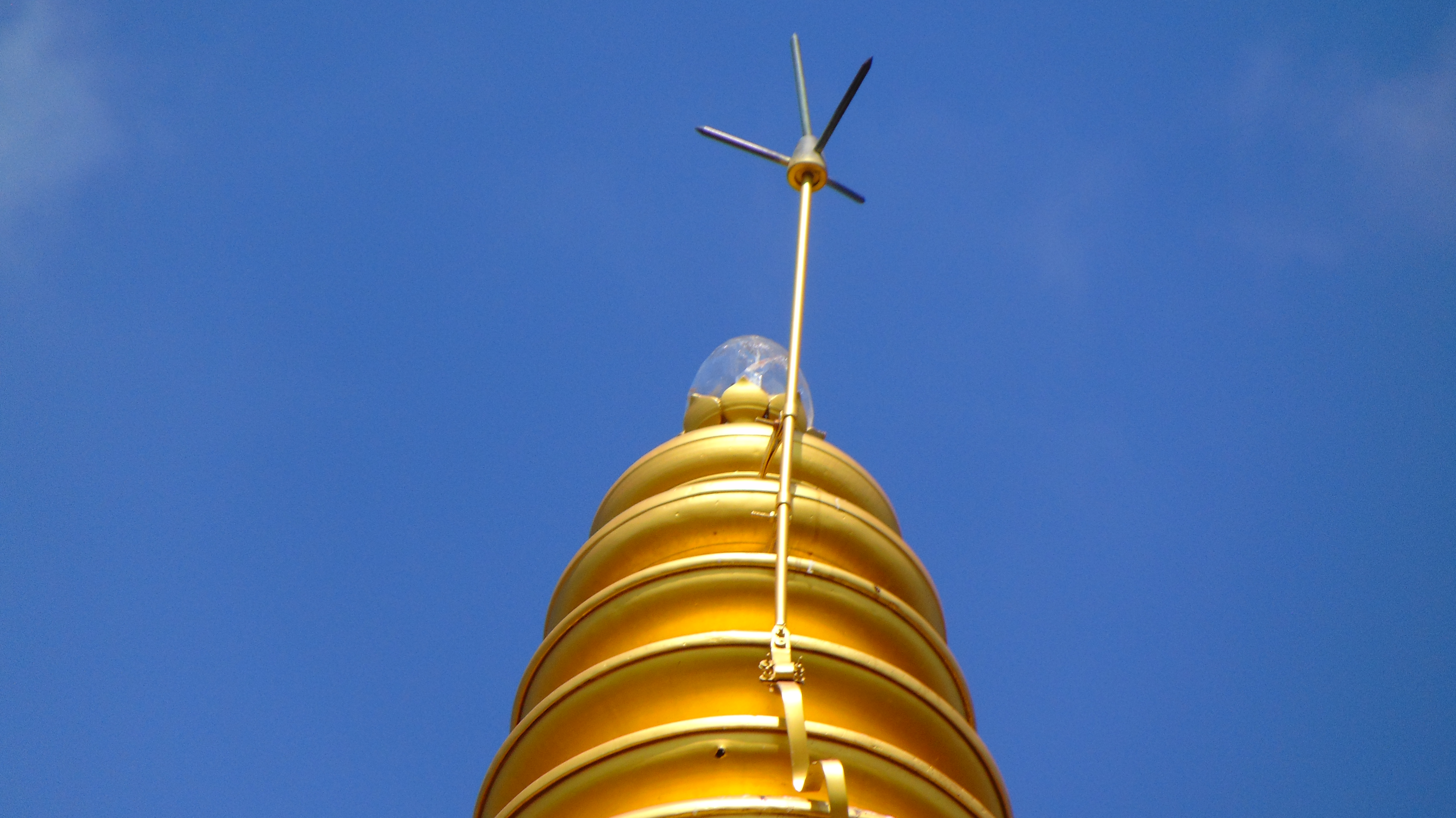
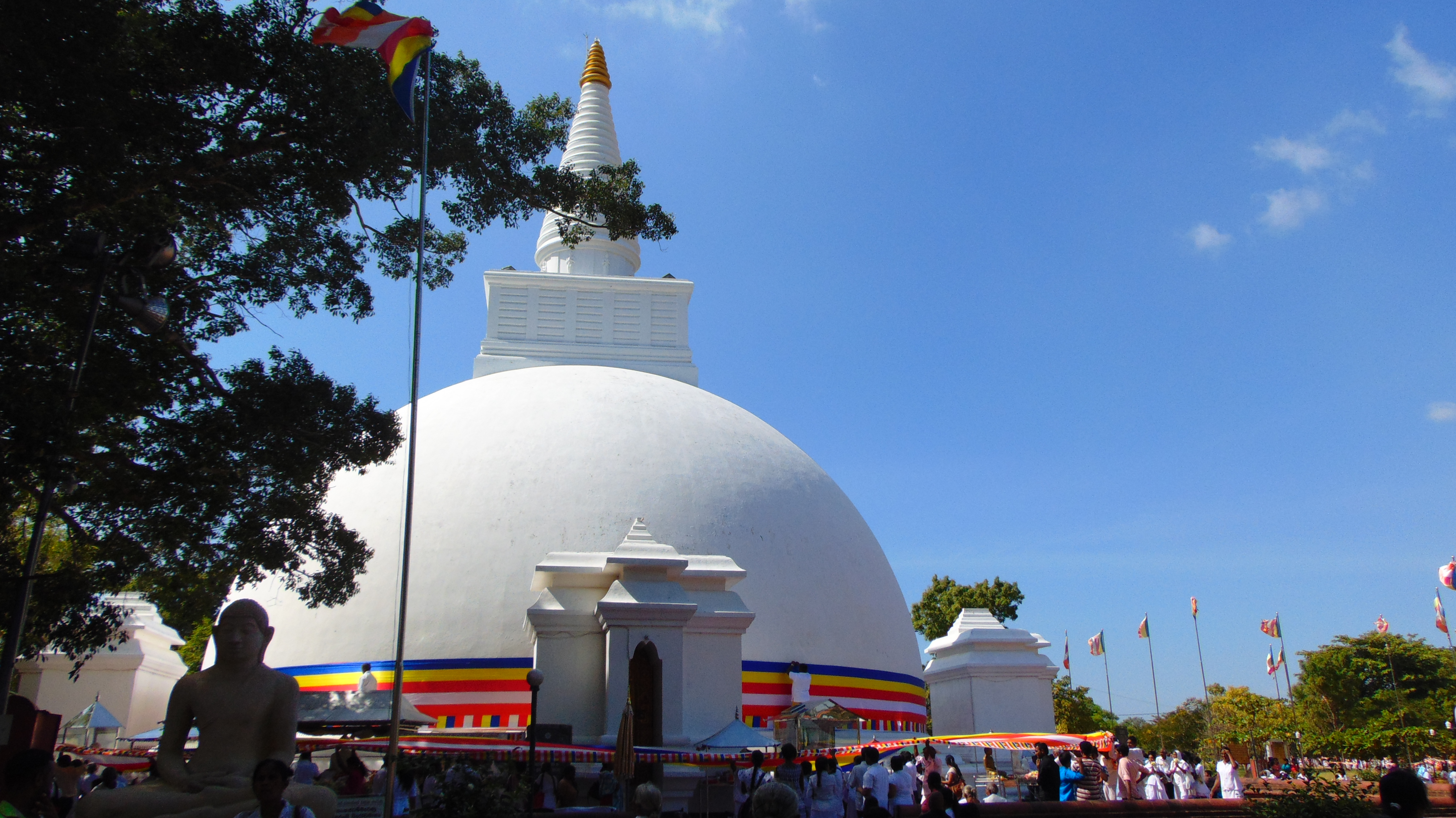
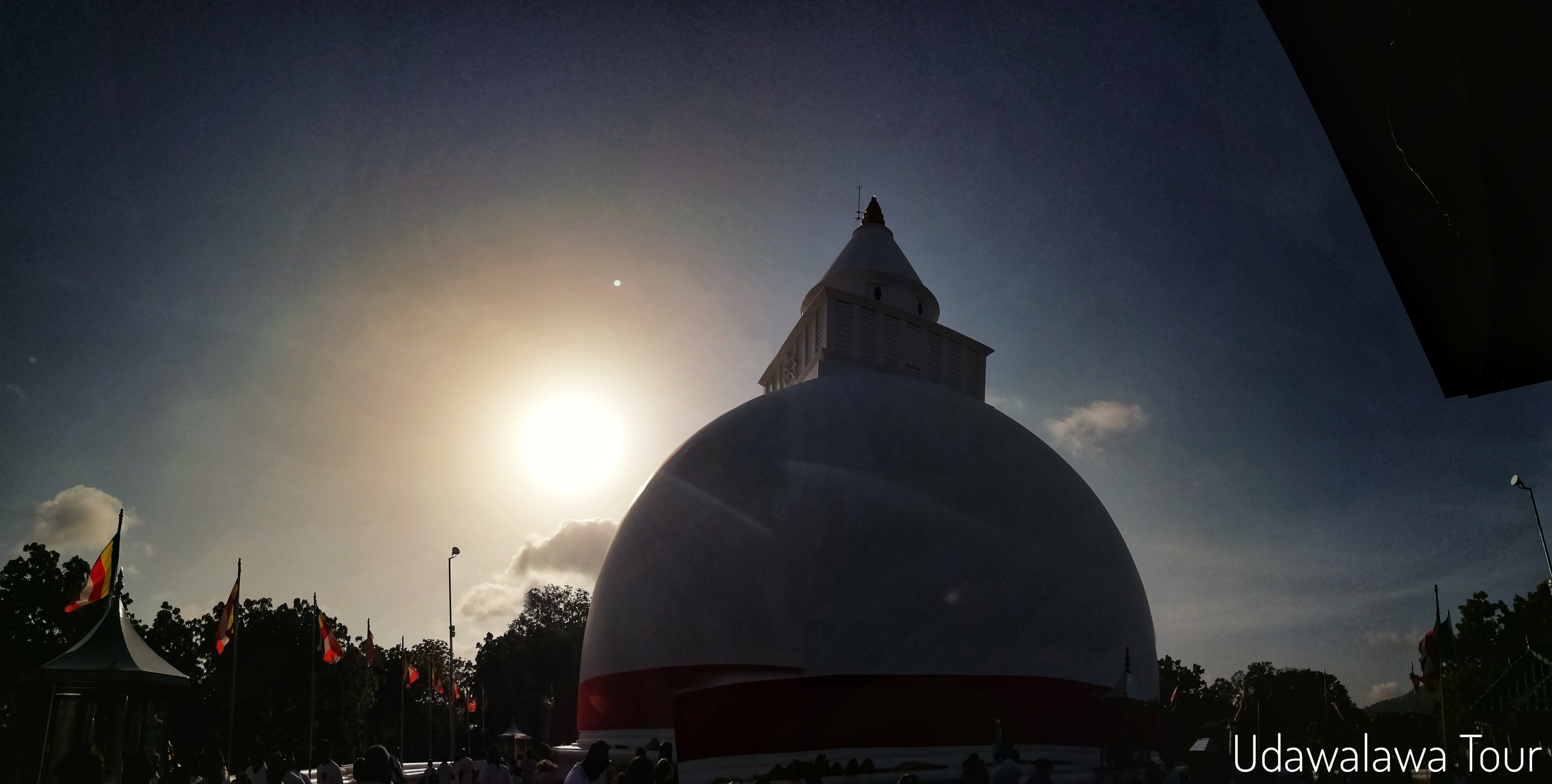
The Somawathiya Chaitya is a Buddhist Stupa situated in the ancient city of Polonnaruwa, Sri Lanka. Chaitya premises is called the Somawathiya Rajamaha Viharaya.
District: Polonnaruwa District
Heritage designation: Archaeological Protected Monuments in Sri Lanka (7 July 1967)
Location: Somawathiya National Park, Polonnaruwa, Sri Lanka
The distance between Colombo and Somawathiya National Park is 197 km. The road distance is 239.1 km. How do I travel from Colombo to Somawathiya National Park without a car? The best way to get from Colombo to Somawathiya National Park without a car is to train which takes 6 h 57 min and costs Rs. 3100 – Rs. 4400.

Here’s some nature!!

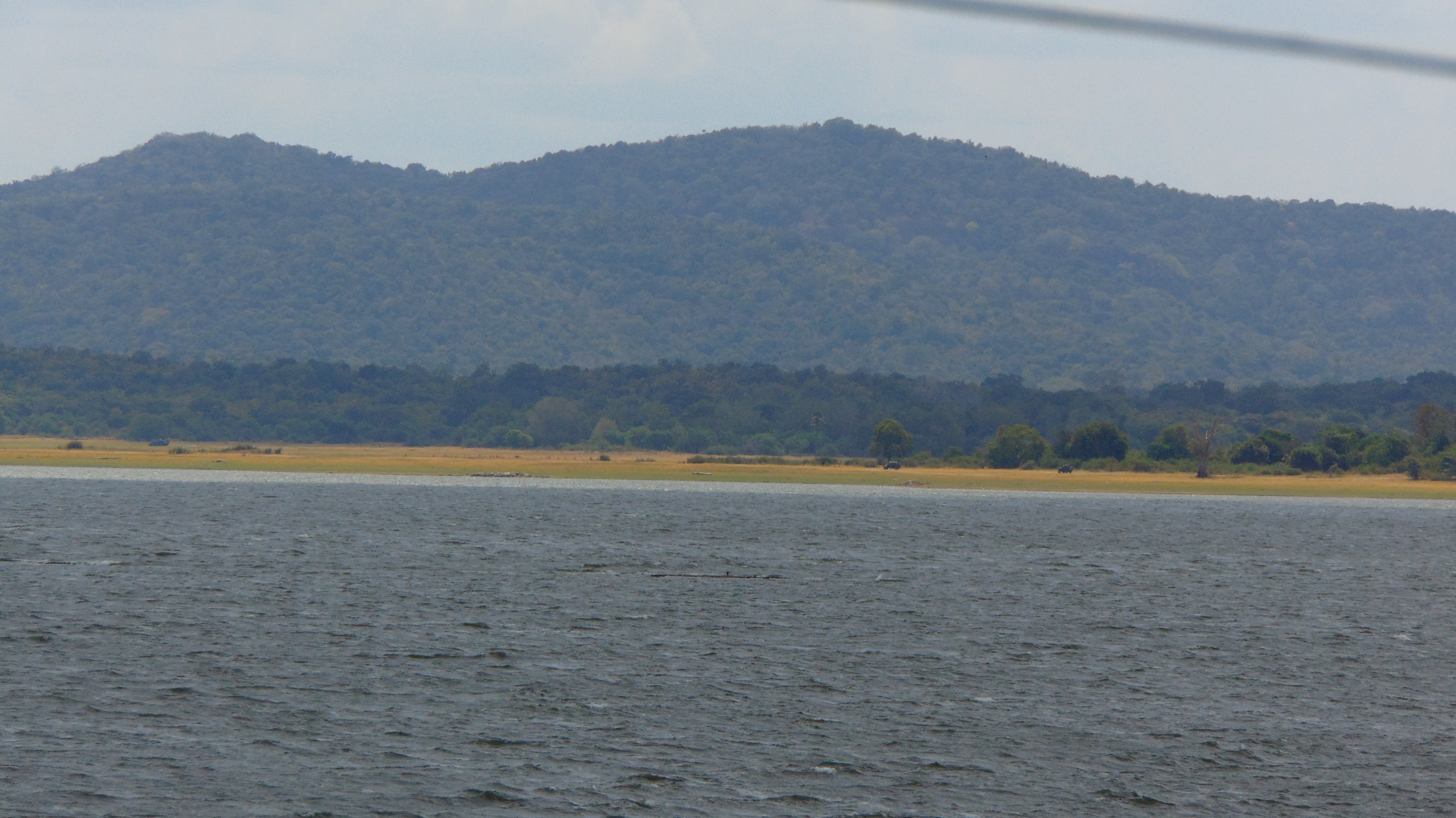
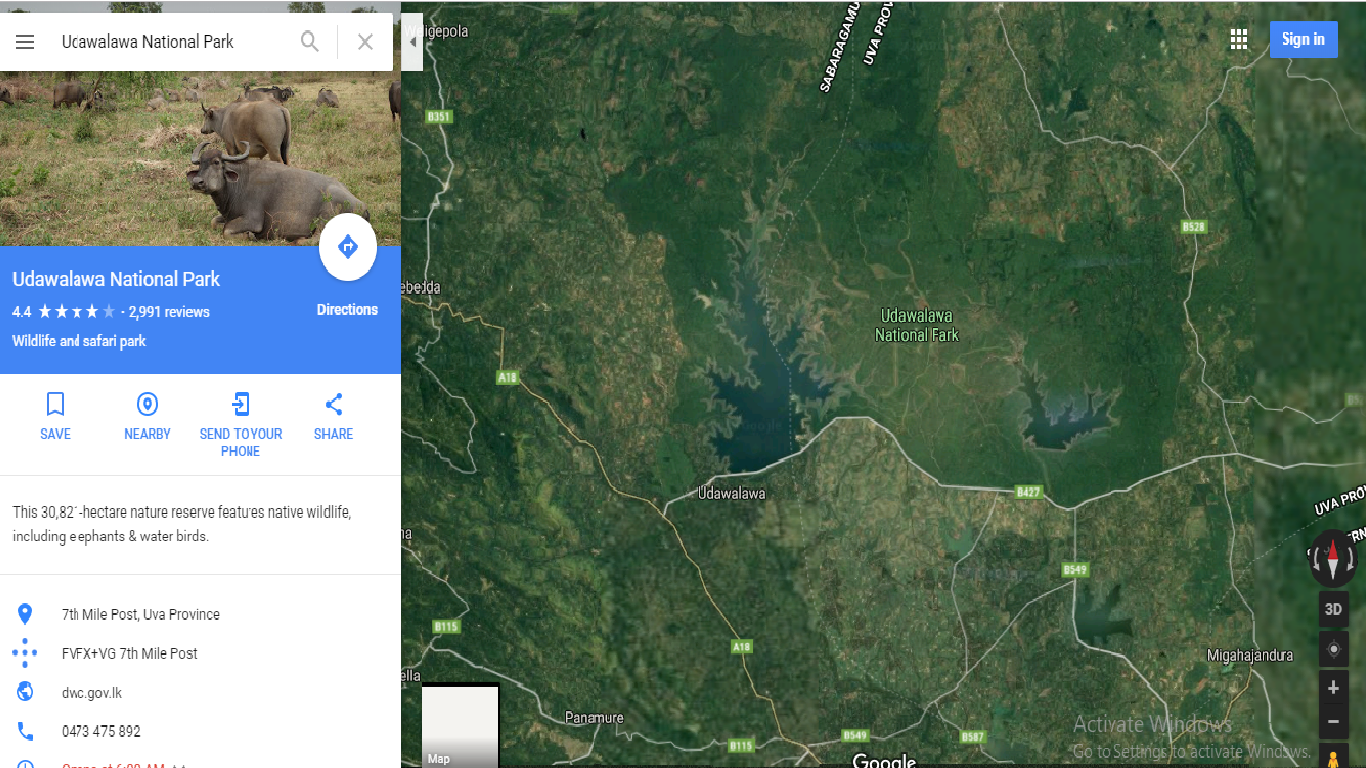
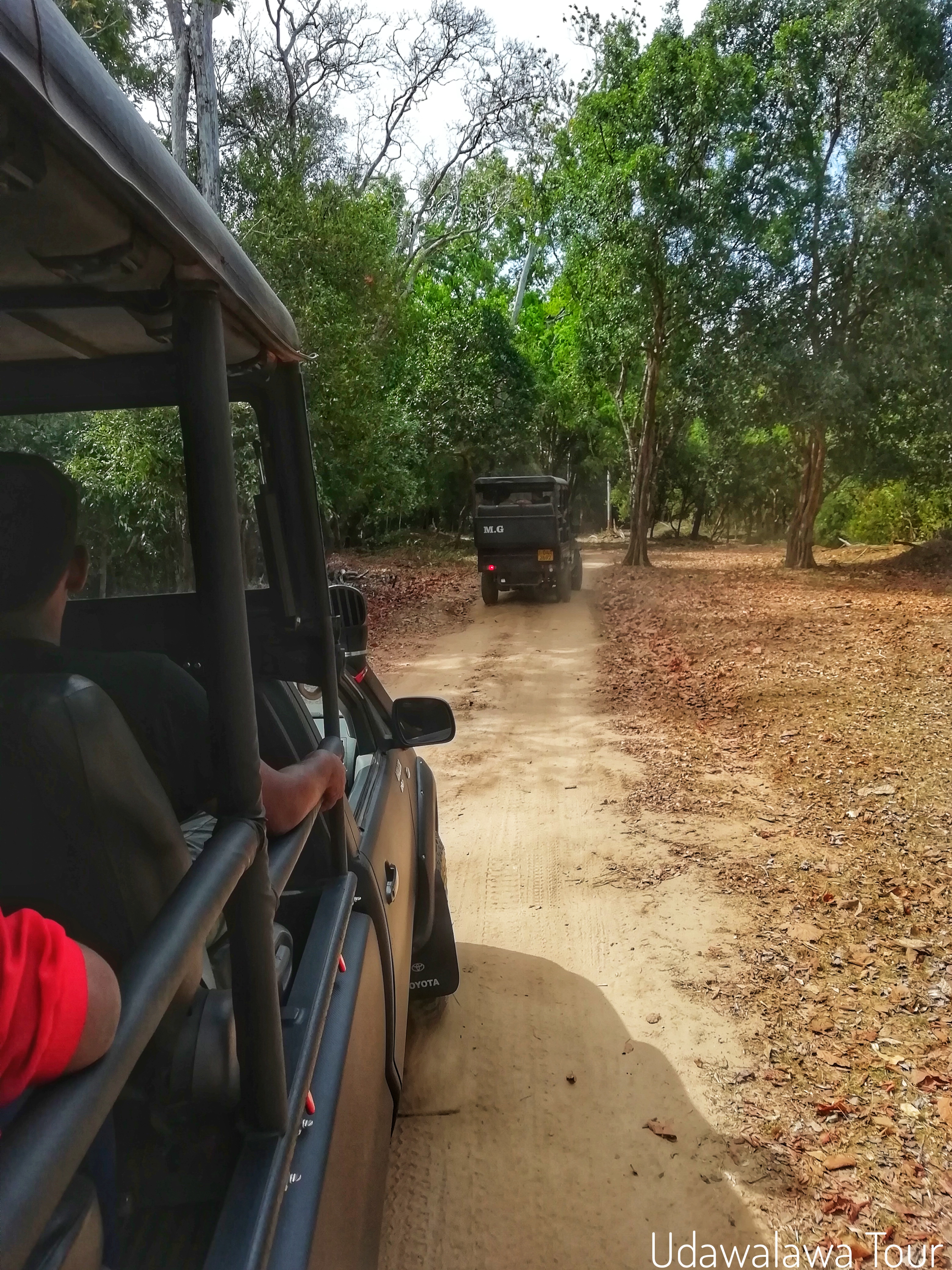
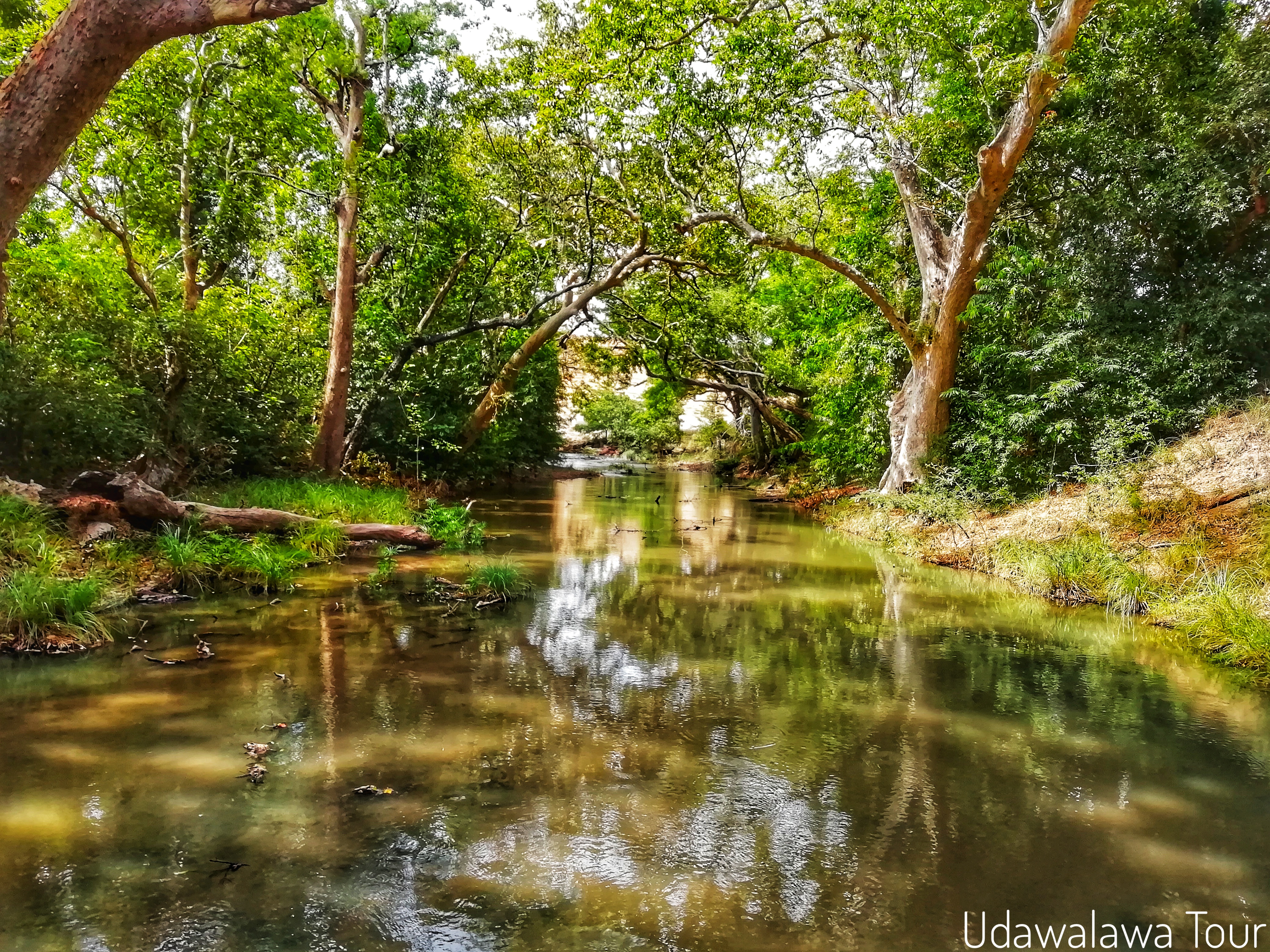
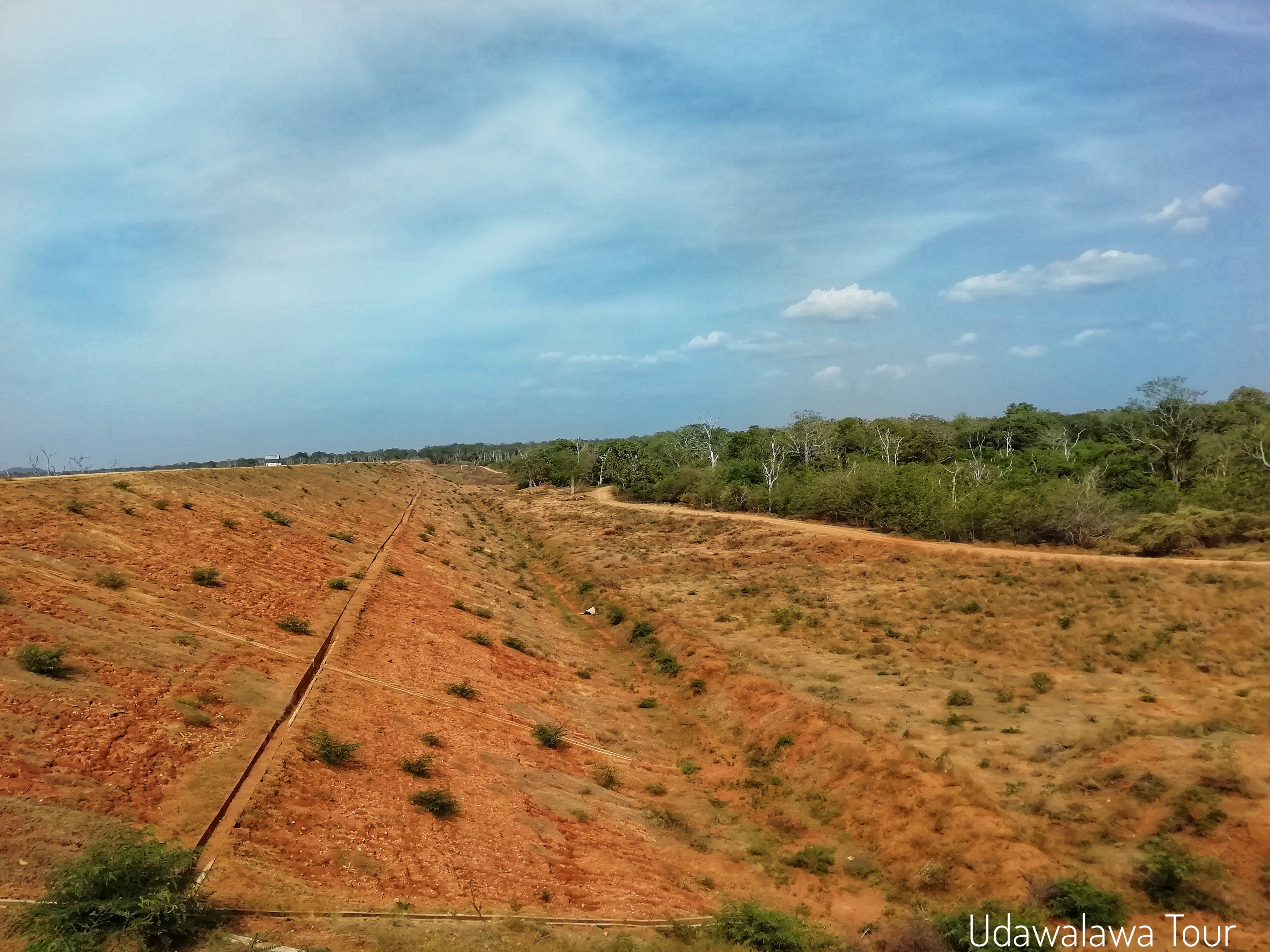
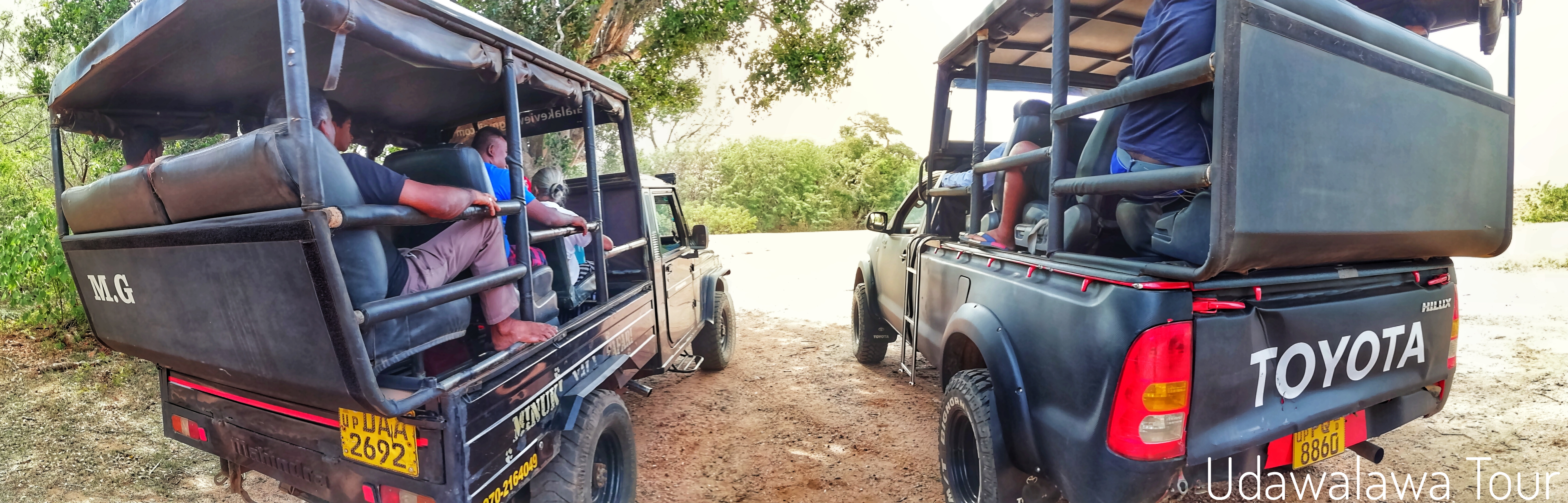
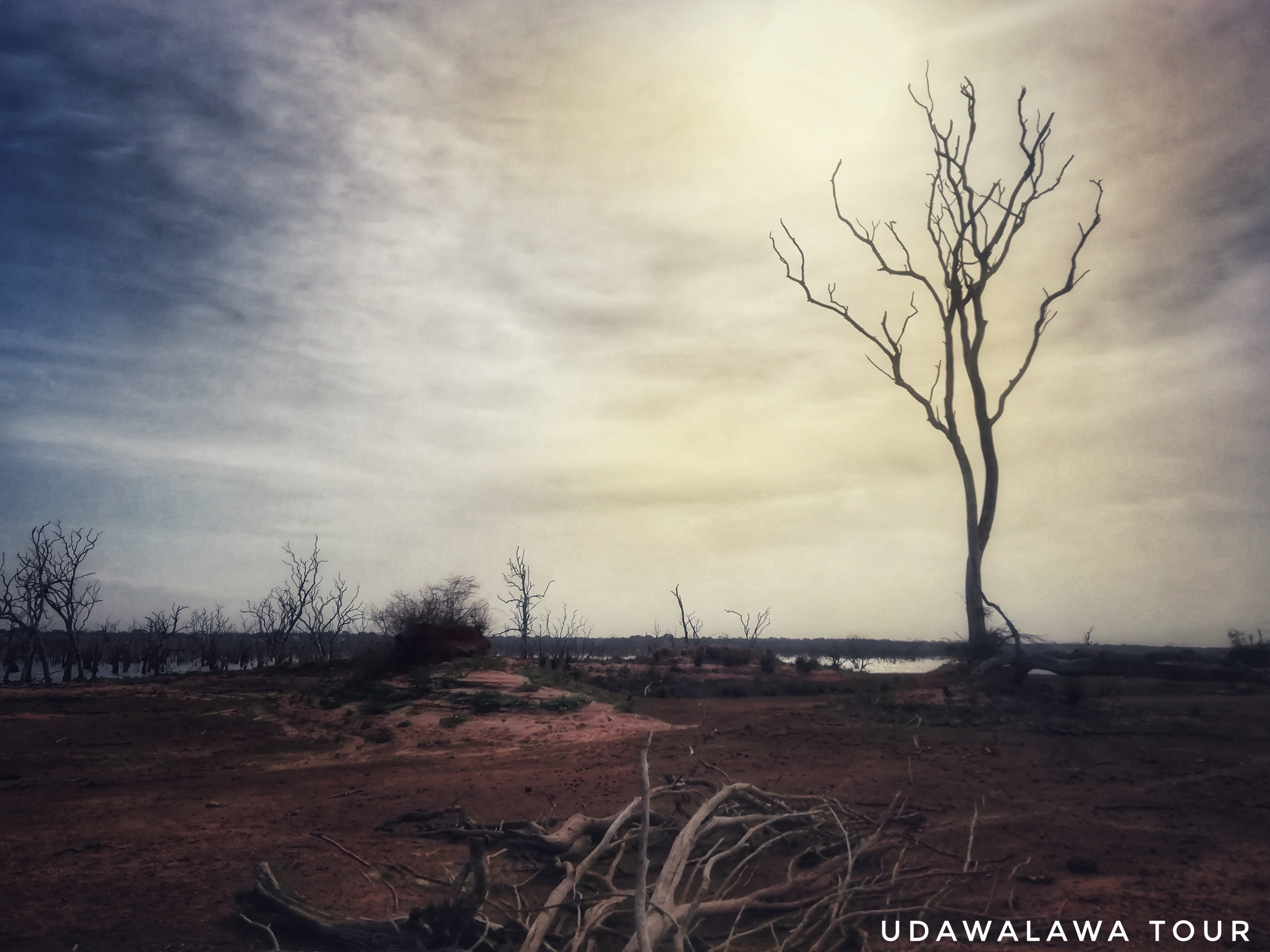
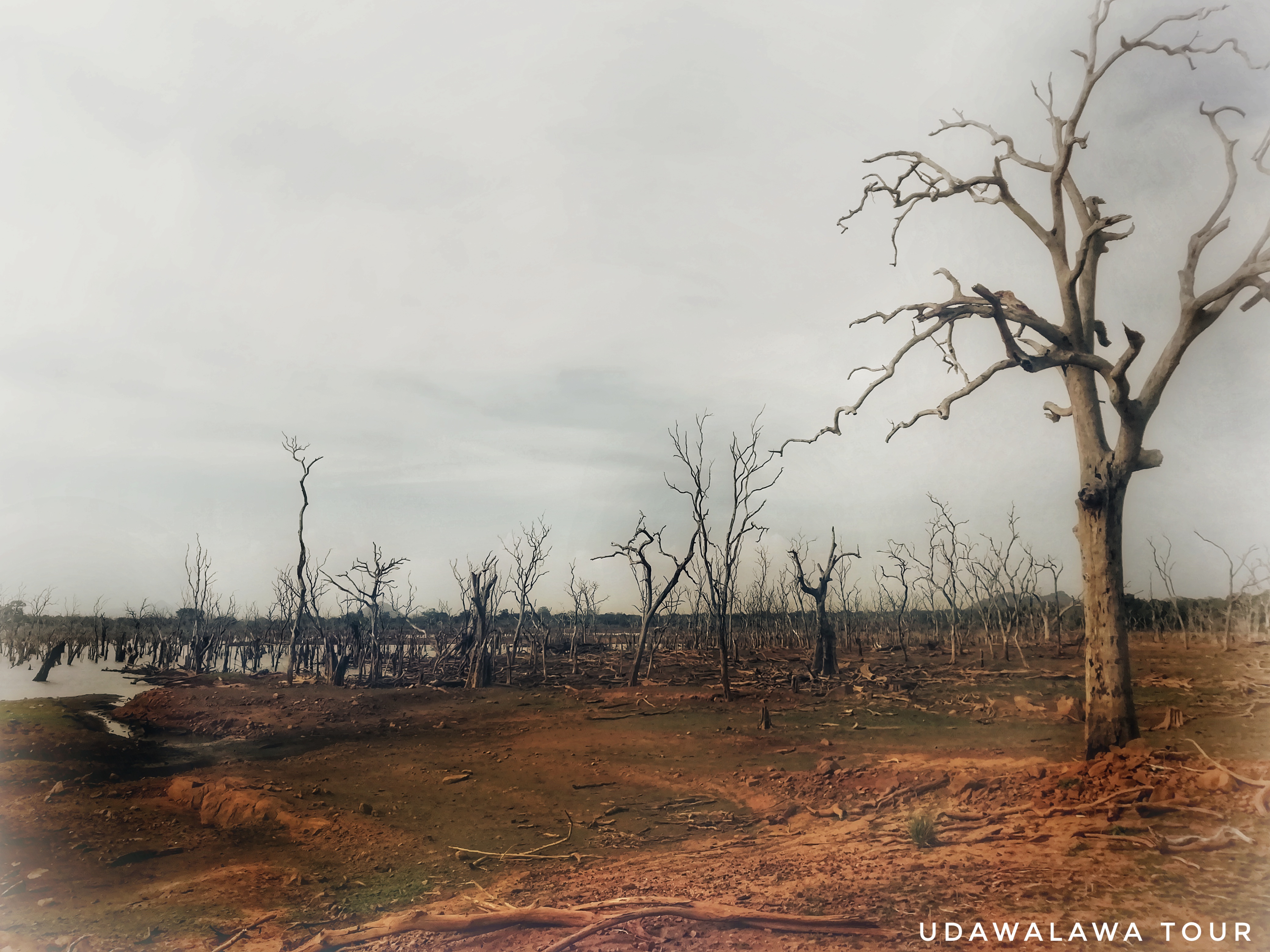
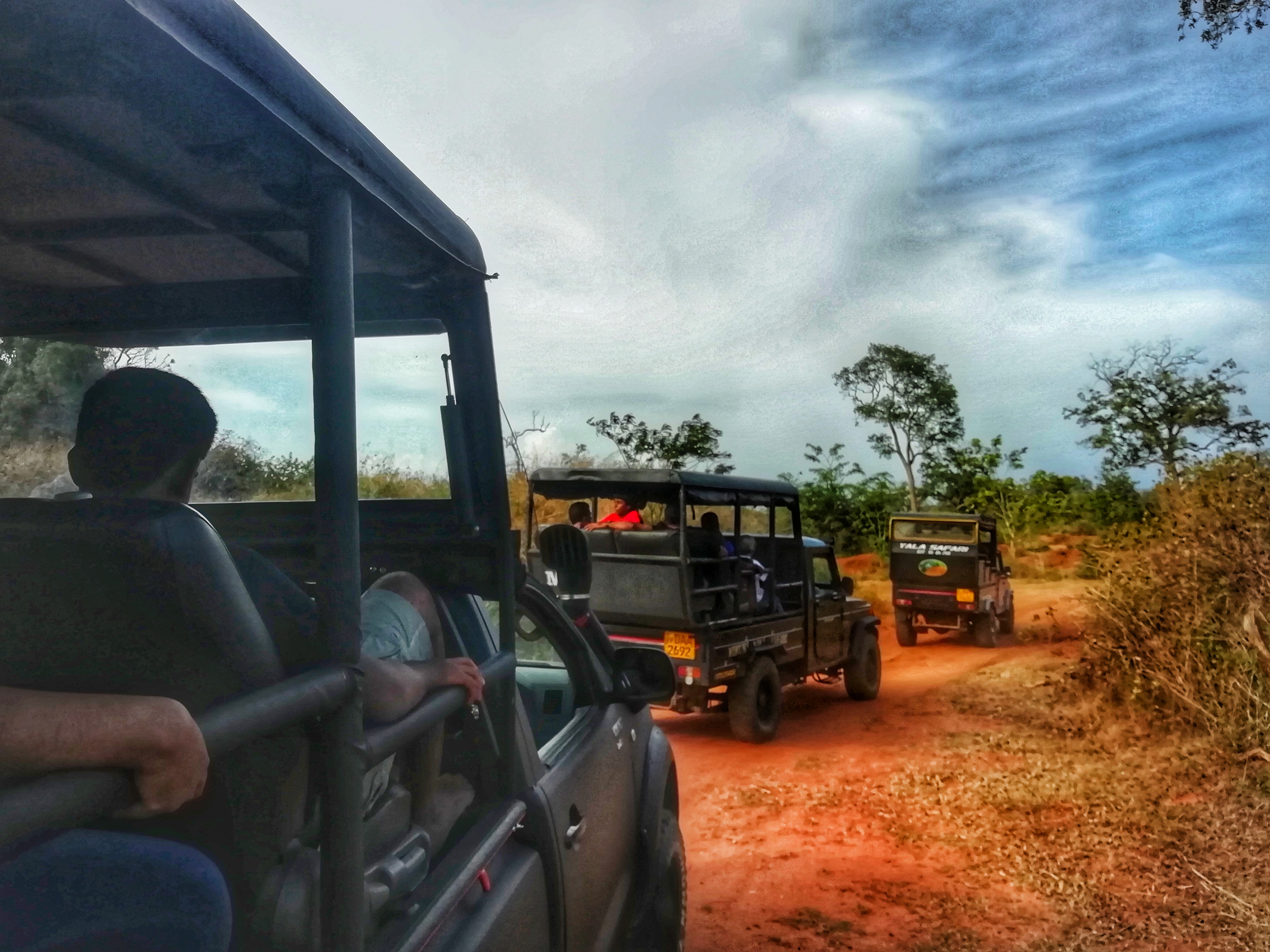
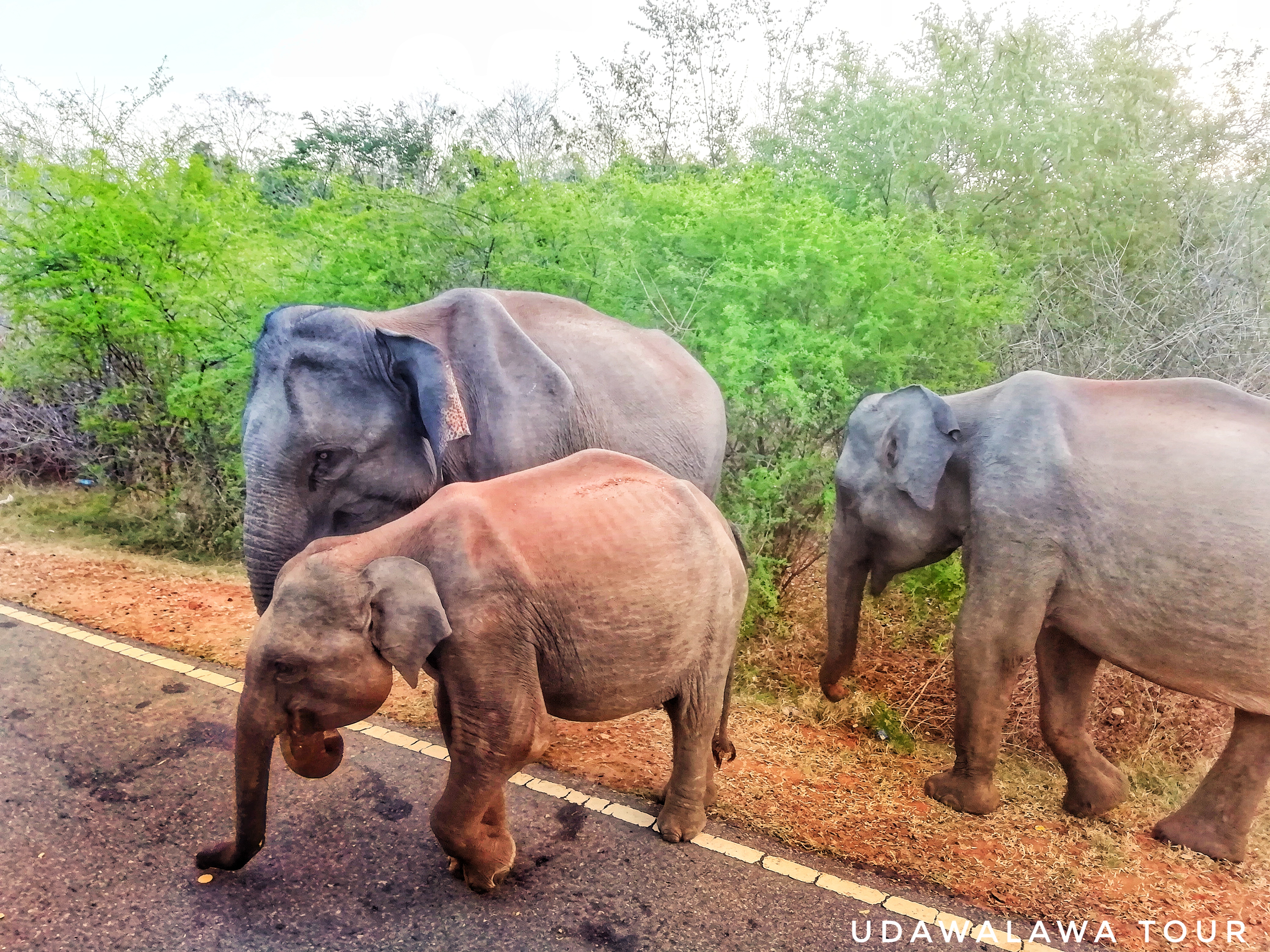
Udawalawe National Park lies on the boundary of Sabaragamuwa and Uva Provinces, in Sri Lanka. The national park was created to provide a sanctuary for wild animals displaced by the construction of the Udawalawe Reservoir on the Walawe River, as well as to protect the catchment of the reservoir. The reserve covers 30,821 hectares (119.00 sq mi) of land area and was established on 30 June 1972. Before the designation of the national park, the area was used for shifting cultivation (chenafarming). The farmers were gradually removed once the national park was declared. The park is 165 kilometres (103 mi) from Colombo. Udawalawe is an important habitat for water birds and Sri Lankan elephants. It is a popular tourist destination and the third most visited park in the country.

LocationSabaragamuwa and UvaProvinces, Sri Lanka
Nearest cityEmbilipitiya
Coordinates6°26′18″N 80°53′18″ECoordinates6°26′18″N 80°53′18″E
Area308.21 km2 (119.00 sq mi)
EstablishedJune 30, 1972
Visitors452,000 (in 1994-2001)
Governing bodyDepartment of Wildlife Conservation
Websitewww.udawalawenationalpark.com